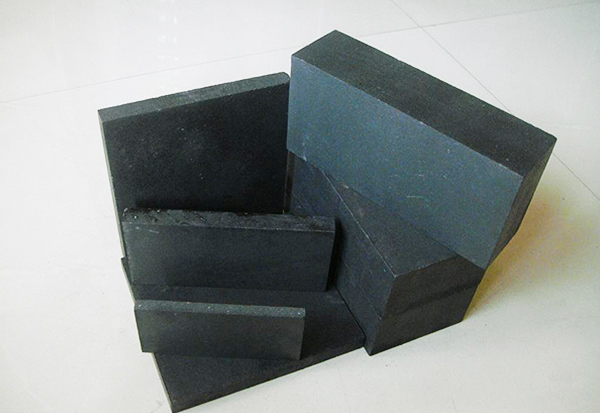
Product introduction
The indefinite refractory used in tundish is a kind of refractory material, which is composed of refractory aggregate, powder, binder and admixture with a certain grain size grading. It is also called bulk refractory. It is used for lining of thermal equipment, directly baking without firing process. Compared with the refractory brick, it has the advantages of simple technology (because the burning process is omitted), energy saving, low cost and convenient for mechanized construction. In some thermal equipment, the effect is better than firebrick.
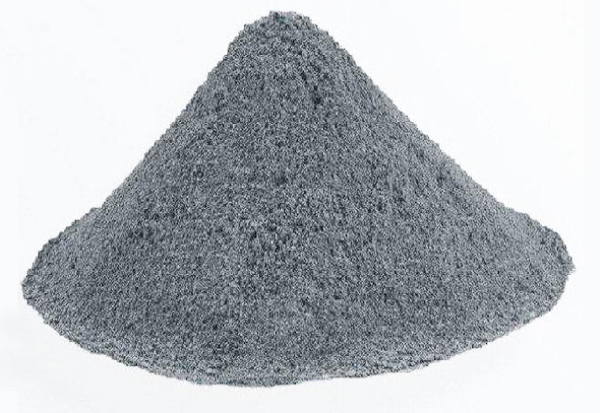
The refractories, which are composed of reasonably graded granular and powdery materials and binders, are directly used without molding and firing. They have no fixed shape, and can be made into paste, mud paste and loose shape, so they are also commonly known as bulk refractories. This kind of material can be used to form an integral structure without joints. Such preparation is also called integral refractory.
Its particles and fine powder can be composed of refractory materials of any material, and can be divided into silicon refractory materials, clay refractory materials, high aluminum refractory materials, magnesia refractory materials, dolomite refractory materials, chrome refractory materials, etc. There are many kinds of binders, such as various cements, inorganic salts (water glass, sulfate, phosphate, etc.) and organic substances (tar pitch, phenolic resin, etc.), which can also be classified and named according to this.
According to the process characteristics, it can be divided into castable, plastic, ramming material, spraying material, projective material, refractory mud, refractory coating, etc.
Generally, it can be produced only through the preparation of granular and powdery materials and the mixing process of mixture. The process is simple, the production cycle is short, the heat energy consumption is low, the integrity is good, the adaptability is strong, and the comprehensive use effect is good.
Production method
The method of making amorphous refractories. There are ramming molding, vibration molding and spray molding, etc. When the masonry or the whole structure of the refractory brick is partially damaged, it can be replaced with this kind of material or repaired in cold and hot state by spraying and projecting equipment, which is both rapid and economical. According to its material characteristics, it can also be used as the lining of various parts of the kiln, as well as the protective layer and joint material of the masonry.
Product classification
According to the construction method and material properties, the amorphous refractories can be divided into pouring materials, plastic materials, ramming materials, gunning materials, projective materials and coatings, etc.
technical parameter
|
Project indicators
|
Tundish spray coating
|
Long term lining of tundish
|
|
magnesium
|
Magnesium calcium
|
High alumina
|
|
GMT-85
|
GMT-82
|
GMGT-1
|
GMGT-2
|
GLC-60
|
|
Al2O3 ,%
|
/
|
/
|
/
|
/
|
≥ 60
|
|
MgO,%
|
≥ 85
|
≥ 82
|
≥ 75
|
≥ 60
|
/
|
|
CaO,%
|
/
|
/
|
~10
|
~30
|
/
|
|
Bulk density, g / cm3
|
≤ 2.20
|
≤ 2.10
|
≤ 2.20
|
≤ 2.10
|
≤ 2.50
|
|
Compressive strength, MPa
|
110 ℃
|
≥ 12
|
≥ 8
|
≥ 6
|
≥ 5
|
≥ 40
|
|
1500℃
|
≥ 10
|
≥ 6
|
≥ 5
|
≥ 4
|
≥ 60
|
|
Flexural strength,MPa
|
110 ℃
|
/
|
/
|
/
|
/
|
≥ 6
|
|
1500 ℃
|
/
|
/
|
/
|
/
|
≥ 8
|
|
Linear rate of change,%
|
-1.5~-3.0
|
-1.5~-3.0
|
±0.5
|
|
Higher service temperature, ℃
|
1750
|
1750
|
1650
|
|
purpose
|
Tundish Working Lining
|
Long term lining
|